
Are Photochromic Cycling Glasses Worth the Investment?

In this article
The first thing that comes to mind when thinking about cycling eyewear which adapts itself to different light conditions is photochromic cycling glasses. They are attractively functional and stylish since they darken when exposed to sunlight, and become clear after entering inside the building. Nevertheless, like every other technological breakthrough there arises a question of practicality versus price. Therefore, this article examines the benefits as well as disadvantages of photochromic lenses in order to help you determine whether they will be a good investment for your collection of eyewear.
Imagine pedaling through the ever-changing tapestry of daylight, where the morning sun gives way to fleeting shadows under dense tree canopies, only to burst open into brilliant afternoon rays. For cyclists, navigating these shifting lightscapes requires more than just stamina—it demands visual clarity and protection at every turn. Enter photochromic cycling glasses, a game-changing innovation tailored to meet the dynamic needs of riders.
Cycling, by nature, presents unique challenges to eyewear. The sport’s rapid pace and varied terrains demand lenses that can swiftly adapt to different intensities of light, ensuring unobstructed vision and safety during high-speed descents or challenging climbs. This is precisely where photochromic lenses, like those crafted specifically for cyclists.
The Resilient Allure of Photochromic Cycling Glasses
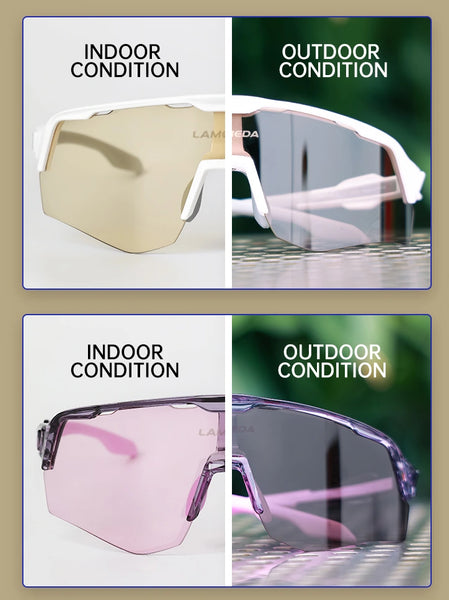
Photochromic glasses appeal primarily because of their transformative properties. Such lenses automatically adjust their tint according to the amount of light in the environment thereby ensuring optimum eye protection from ultraviolet radiation. Hence, these people find it hard moving between indoor lighting systems that require them to change from sunglasses into prescription shades each time; thus making it a matter of convenience for most users.
Safety and Enjoyment
Among the major benefits of using photochromic cycling glasses is their ability in protecting eyes from sun glare and UV rays. Cataracts, macular degeneration and other visual problems have been linked with long-term exposure to UV light. These glasses are made of photochromic lens having the ability to darken automatically when exposed to sunlight thus providing continuous protection against sun’s rays, thereby reducing eye strain and possible long-term damage. It is a versatile solution for all activities.
 |
 |
|
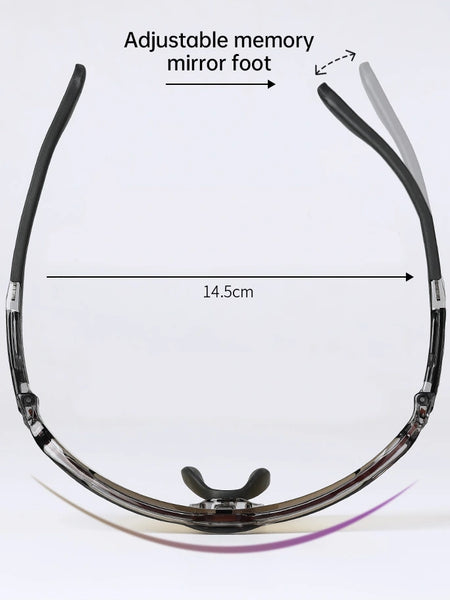
Whether it’s commuting daily or going on an adventure outdoors, these types of eyewear find application in various sporting activities. Cyclists and runners find solace in such lenses which adapt to different lighting conditions and assure clear vision even if one has to pass through the dark thickets of tropical rainforests or wide open highways. For example, Lameda offers a range of photochromic cycling glasses that have adaptive tinting as well as impact resistant materials and streamlined frames for maximum performance.
Things You Might Not Like
There are some issues you might want to consider before settling down with photochromic lenses. The transition speed may not be immediate, particularly during cold seasons; this can temporarily impair your eyesight while switching between light intensities rapidly. On top of that, photochromic technology often costs more than regular lenses due to the need for an initial investment which may not always be affordable for everyone.
Furthermore, despite the progress of new developments that greatly improve their performance in cars, some photochromic lenses might still be struggling to darken properly inside windshields due to the presence of UV filters. Hence, they are not very good for driving.
 |

|
Conclusion: Are They Worth It?
However, investing in photochromic cycling glasses is a personal decision that will depend on your type of life-style as well as the needs and pocket you have. For those who constantly shift from indoor rooms to outdoor activities or sports, these lenses offer a lot of convenience with an added safety. The fact that Lameda provides specialized cycling glasses suggests how such eyewear can make enthusiasts’ comfort and performance better through individualized photochromic design.
Conversely, if you spend most of your time indoors or you are on a tight budget sticking with ordinary prescription eyeglasses combined with separate sunglasses may work equally well at less cost. This means that like every other purchase it will depend on assessing the gains relative to personal circumstances so as to come up with what fits best for one’s self.
