
Cycling Injuries: How to Handle Common Problems

In this article
Cycling is a top choice for outdoor exercise. It’s great cardio and lets you explore beautiful scenery. But if you're not careful, it can also cause some trouble for your body. So, what can you do about common cycling injuries?
1. Foot Pain from Pedaling
The power for cycling comes from pushing down on the pedals. This action can sometimes lead to foot discomfort. Cycling shoes are often snug, and if your foot position isn't quite right, especially during long rides, you might get foot pain. Pain in the ball of the foot is quite common among serious cyclists. This happens partly because cycling shoes are narrow in the front, and when you're clipped into the pedals ("clipless" system), there's a lot of pressure on the front part of your foot. One common problem is Morton's neuroma. This usually affects the space between your third and fourth toes, causing burning, sharp, or stabbing pain that can shoot into your toes. Doctors can use ultrasound or MRI scans to diagnose it.
 |
 |
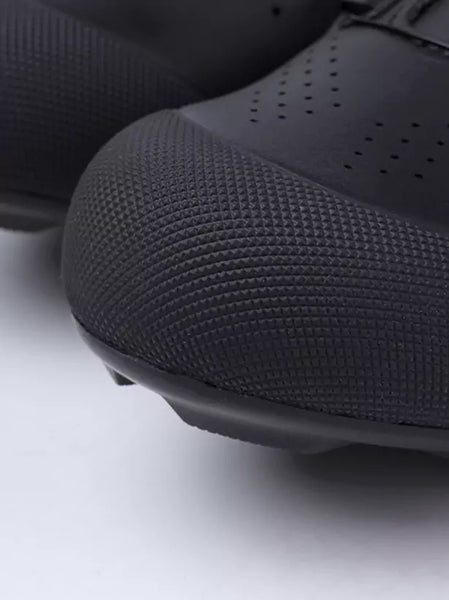 |
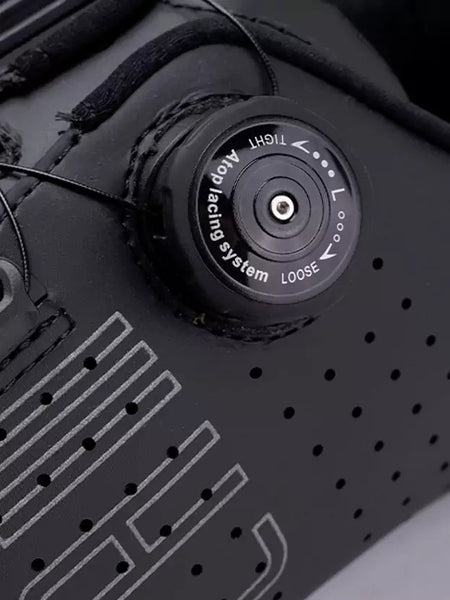
Early fixes: Try wider pedals, move the cleat (the part that clips in) further back on your shoe, get custom wide-toe-box cycling shoes, or use metatarsal pads (special pads under the ball of your foot).
If that doesn't work, surgery to remove the neuroma might be an option.
2. Saddle Sores and Pressure on Nerves/Blood Vessels
A lot of your body weight rests on the saddle, especially on touring or mountain bikes where you sit more upright, increasing pressure between your skin and the seat. That's why serious road cyclists wear padded shorts—to reduce pressure on the sensitive groin area. However, that thick padding can cause skin problems like eczema, folliculitis (infected hair follicles), boils, or even skin ulcers. Long-term irritation might lead to a cyst in that area, sometimes jokingly called a "third testicle."
Treatment: Take a break from long rides. Use antibiotic or antifungal creams on the affected area.
Prevention: Keep your cycling shorts clean and dry. Shower and change clothes right after your ride. Make sure your bike fits you well and the saddle is the right width.
Beyond skin issues, saddle pressure can also squeeze nerves and blood vessels in the groin. This happens because of your weight and because leaning forward aggressively (like in a sprint) increases pressure significantly. "Cyclist's Syndrome" specifically refers to nerve compression in this area, which can cause pain, burning sensations, sexual dysfunction, or even incontinence.
Prevention: Change your riding position often. Stand up out of the saddle periodically. Get your bike fit checked—saddle height, width, and tilt are crucial. Look for saddles with a cut-out or groove down the middle to relieve pressure. Handlebar reach and drop shouldn't be too extreme. Most importantly, listen to your body and rest; these problems are often temporary and improve with time off the bike.
3. Wrist and Hand Numbness
While most of your weight is on the saddle and pedals, your arms and hands still support about 25-40% of it. Keeping your wrists pressed on the handlebars for long periods can lead to nerve compression. A common problem for cyclists is ulnar nerve compression (affecting the "funny bone" nerve), often at the wrist (specifically the deep branch). This is a mixed nerve, so compression can cause numbness in your little finger and ring finger, and in bad cases, muscle weakness or a "claw hand."
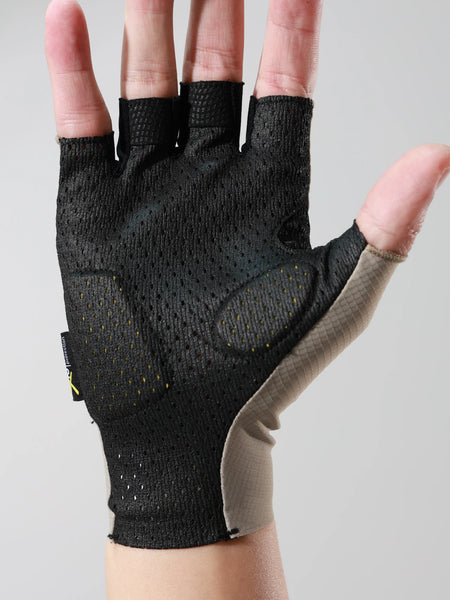
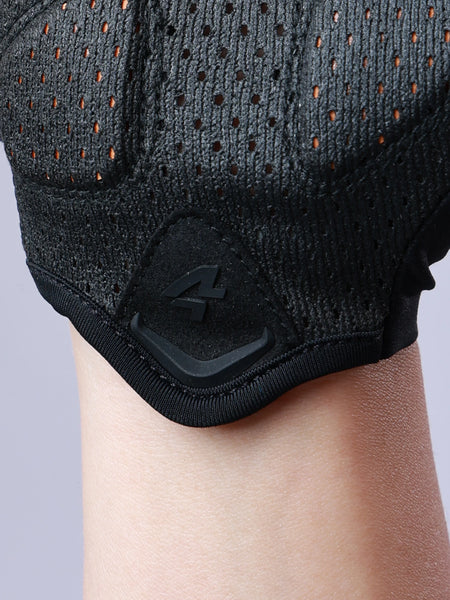
Prevention: Change your hand position on the bars frequently. Use cycling gloves with good padding. If you feel numbness, reduce your riding time, add more padding, adjust your handlebar height or reach to be less aggressive, or choose a handlebar width that fits you. Mountain bikers might benefit from suspension forks that absorb shock.
 |
 |
 |
4. Crashes & Injuries (Mostly Upper Body)
Falling off your bike is unfortunately common, and the upper body takes the brunt. The most frequent injuries from crashes are
- Collarbone Fracture: Very common in road cycling. You'll feel pain at the front of your shoulder, see a bump or bruising, and instinctively hold your elbow up while tilting your head and body towards the injured side. Doctors use X-rays to diagnose it. Most don't need surgery. You can often get back on an indoor trainer within a week and ride outdoors again in 2-3 weeks.
- Radial Head Fracture: More common in mountain biking and BMX. You'll feel elbow pain, especially when twisting your forearm, and might feel clicking. Diagnosis usually needs X-rays and sometimes a CT scan. After treatment (surgery or not), start gentle bending and twisting exercises early. You might be back on the trainer in 2 weeks, riding outdoors in 6 weeks, and back to intense riding like downhill in 10-12 weeks.
- Rib Fractures: Also common. If you break several ribs, watch out for signs of a collapsed lung (pneumothorax) or internal injuries. Recovery usually takes 4-6 weeks.
- Other Fractures: Less common breaks or dislocations need prompt medical attention from an orthopedic doctor or sports medicine specialist. Follow their advice for treatment and rehab.
5. Overuse Injuries (Mostly Lower Body)
Getting faster and stronger means putting in long, hard hours on the bike. But this can lead to overuse injuries, which mostly affect the legs, unlike crash injuries, which hit the upper body.
Iliotibial Band Syndrome (ITBS): This is very common. It's inflammation caused by the tight IT band rubbing against the outside of your knee, leading to pain and sometimes a snapping feeling. Causes include sudden sprints, lots of climbing, or using a big chainring. Foot position matters too—pointing your toes inward too much, too much or too little "float" in your pedals, or excessive foot pronation while pedaling can contribute. Unlike runners, cyclists don't usually need to strengthen hip muscles specifically for ITBS. Fix it by adjusting your bike fit, doing physical therapy (foam rolling, stretching, massage), getting cortisone shots (under ultrasound guidance), or reducing your riding time. Surgery (like cleaning the inflamed area or lengthening the IT band) is a last resort.
Knee Pain (Front): Pain around the kneecap is another big reason cyclists see a doctor. It's often due to patellar tendonitis ("jumper's knee"), patellofemoral pain syndrome (general kneecap pain), or damage to the cartilage under the kneecap.
Patellar Tendonitis: Treat it like ITBS—rest, avoid hills, and consider cortisone shots, shockwave therapy, PRP, or stem cell injections. Check your bike fit: make sure your knee isn't too far forward of the pedal spindle when you push down hard.
Patellofemoral Pain/Cartilage Damage: An MRI can show fluid or bone changes under the kneecap. Cartilage damage might need a knee scope (arthroscopy) to confirm and treat (like microfracture). Important: Meniscus tears seen on MRI or during a scope are usually not the cause of cycling knee pain and don't need fixing unless your knee locks up.
Other Leg Pains: Ankle issues (like Achilles tendon problems) can stem from overtraining or poor bike fit (saddle too high/low). Hip pain often involves the IT band rubbing at the hip bone (trochanteric bursitis), treated similarly to ITBS. A rare but serious issue for serious cyclists is iliac artery compression (reduced blood flow to the leg from prolonged sitting), diagnosed with a special CT scan (CTA) and treated by vascular specialists.
