
Difference Between Cycling Jersey and Cycling Skinsuit: A Comprehensive Guide

In this article
Over time, cycling apparel has changed significantly, with an increasing emphasis on aerodynamic design and performance optimization. One of the most notable developments in the cycling clothing industry is professional apparel, which is made to increase riding comfort and efficiency.
More streamlined cycling tights, sometimes referred to as speed suits, and traditional cycling jerseys worn with cycling shorts are the two primary options available on the market. Your cycling performance and experience will be substantially enhanced if you know the differences between these two options, when each is appropriate, and how to select the best cycling apparel.
The primary distinctions between cycling tights and jerseys
Planning and building
Traditional cycling gear consists of two very different items: cycling jerseys and cycling shorts. Cycling jerseys typically fit slightly loosely around the torso while keeping a smooth silhouette and feature full-length zippers to regulate ventilation. Brace-like straps on cycling shorts help hold them in place while riding.
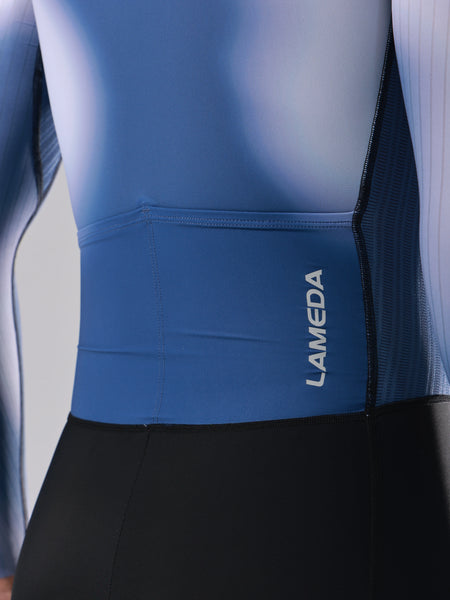
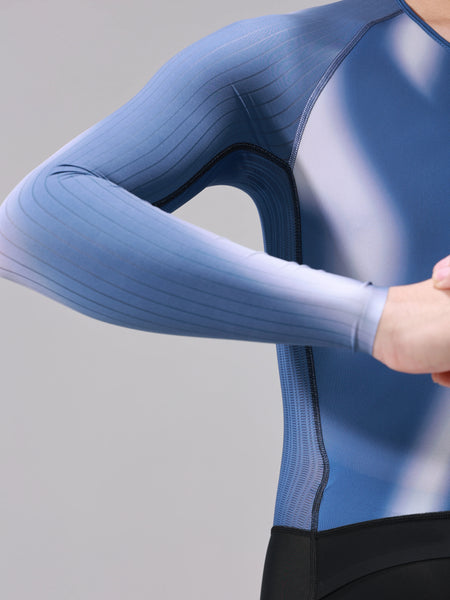
Conversely, cycling tights combine the two components into a single, form-fitting item. As the name implies, it eliminates any extra material that might obstruct the wind and fits like a "second skin." Modern tights frequently have a full-length zipper for added practicality, whereas traditional time trial tights might have had a short zipper to maximize aerodynamics.
Performance of Aerodynamics
The primary benefit of tights over conventional cycling jerseys and shorts is their aerodynamic efficiency. Wind resistance, or drag, can account for as much as 70% of the resistance a cyclist faces on a level road. The largest contributor to this drag is the human body because of its size and non-aerodynamic shape.
The advantages of tights for aerodynamics have been repeatedly shown by research and wind tunnel testing. Compared to a typical jersey and shorts, tights can save about 134 seconds during a 40-kilometer ride, according to data posted on cycling forums. As speed and distance increase, so does the time savings.
There are two main sources of the aerodynamic advantage:
- The removal of any seams or transitions that might obstruct airflow between the jersey and shorts.
- The application of unique textiles that ingeniously "break" the airflow to preserve laminar flow and lessen turbulence.
 |
 |
 |
Comfort and Practicality
While skinsuits excel in aerodynamics, traditional jersey and shorts combinations offer distinct practical advantages:
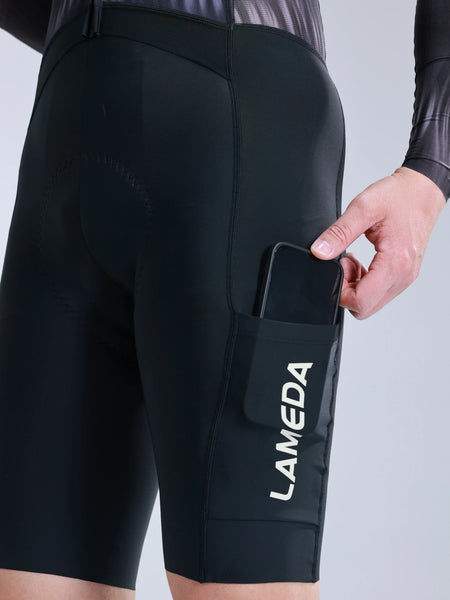
- Storage capacity: Traditional jerseys typically feature three rear pockets for carrying essentials like food, tools, and spare tubes. Early skinsuits lacked pockets entirely, though modern "aero suits" or "speed suits" designed for road racing often incorporate rear pockets.
- Bathroom breaks: Two-piece kits make nature breaks significantly easier, especially during longer rides. Skinsuits require more complete disrobing, which can be inconvenient.
- Versatility: With separate pieces, cyclists can mix and match based on conditions or laundry needs. A skinsuit is an all-or-nothing proposition.
- Fit accommodation: Two-piece kits can better accommodate different body proportions. As one forum user noted, "If your torso-to-leg ratio is not 'average,' a skinsuit may not fit properly."
- Crash replacement: If you damage one piece of a traditional kit, you only need to replace that component. Damage to any part of a skinsuit requires replacing the entire garment.
Temperature Regulation
Modern cycling apparel incorporates advanced fabrics designed to enhance moisture-wicking and temperature regulation. In this regard, both options have their advantages:
Skinsuits eliminate the overlap of material at the waist, potentially providing better cooling in hot conditions. However, the tight fit and full-body coverage can sometimes limit ventilation.
Traditional jerseys offer more adjustability through zippers and the ability to create small gaps for airflow. This can be advantageous in varying temperature conditions.
Who Should Use a Cycling Skinsuit?
Cycling skinsuits aren't for everyone. Their suitability depends on riding style, goals, and personal preferences.
Competitive Cyclists
Skinsuits offer clear advantages for competitive cyclists across several disciplines:
-
Time trial specialists: The aerodynamic gains are most pronounced in this discipline, where every second counts.
-
Road racers: Professional pelotons increasingly use speedsuits even for road races, recognizing the marginal gains they provide.
-
Criterium racers: The high speeds and technical nature of criteriums make aerodynamic efficiency particularly valuable.
-
Triathletes: Despite the changing challenges, many triathletes find the time savings outweigh the inconvenience of changing during transitions.
-
Track cyclists: In velodrome environments where speeds are consistently high, aerodynamic optimization is crucial.
Performance-Oriented Recreational Cyclists
Even without a race number pinned on, certain recreational cyclists can benefit from skinsuits:
-
Riders focused on personal records or Strava segments
-
Cyclists participating in gran fondos or sportives
-
Those who train at higher speeds (typically above 25-30 km/h) where aerodynamic gains become significant
-
Larger riders who may benefit more from aerodynamic improvements, as noted by cycling experts
Not Ideal For
Skinsuits are less suitable for:
-
Casual recreational riders at lower speeds where aerodynamic gains are minimal
-
Cyclists who prioritize versatility and practicality (frequent stops, variable conditions)
-
Riders with non-standard body proportions
-
Those on tight budgets considering the all-or-nothing replacement cost
 |
 |
 |
How to Choose the Right Cycling Skinsuit
If you've decided a skinsuit is right for your cycling needs, several factors should guide your selection:
Fit Considerations
The most critical aspect of any skinsuit is fit. It should be snug without restricting movement or breathing—truly a "second skin." When trying on a skinsuit:
-
Test it in an actual riding position, not just standing upright
-
Ensure nothing slips or sags while pedaling
-
Consider your body proportions; some brands may suit your physique better than others
-
Evaluate the compression level based on your preference and intended use
Fabric and Materials
Modern skinsuits incorporate specialized fabrics designed for specific purposes:
-
Look for textured or "trip" fabrics in key areas that help maintain laminar airflow
-
Ensure adequate breathability for temperature regulation
-
Check for UV protection for outdoor riding
-
Consider compression properties that may help reduce muscle fatigue
-
Evaluate durability, especially if you'll use the skinsuit frequently
Key Features
Several features differentiate quality skinsuits:
-
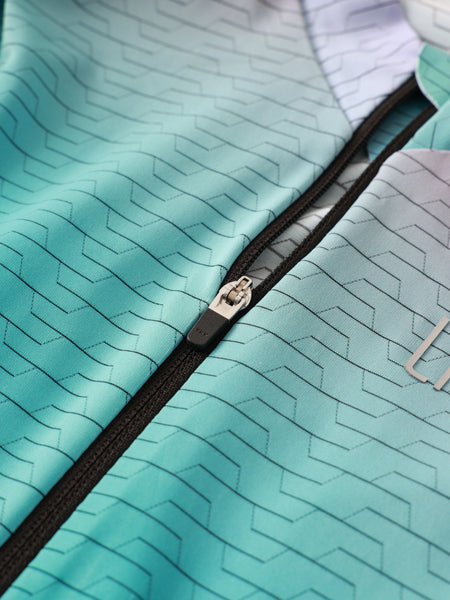
Zipper type: Full-zip designs offer easier on/off and bathroom breaks
-
Pockets: Essential for road racing but less common in pure time trial suits
-
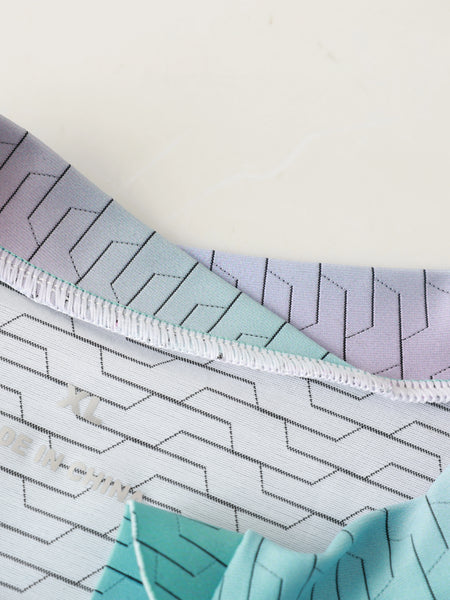
Seam construction: Flatlock or seamless construction reduces chafing and improves aerodynamics
-
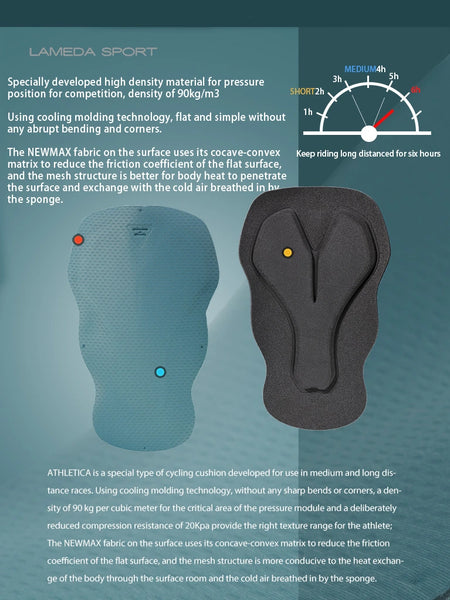
Chamois quality: Critical for comfort on longer rides
-
Sleeve length/design: Can impact aerodynamics and comfort
-
Leg grippers: Should hold position without being too tight or restrictive
 |
 |
 |
Budget Considerations
Skinsuits range widely in price:
-
Entry-level ($100-150) offer basic features and standard fabrics
-
Mid-range ($150-250) provide better fabrics, improved fit, and more features
-
High-end ($250-400+) feature premium fabrics, wind-tunnel tested designs, and professional quality
Consider your frequency of use and performance goals when determining your budget. Remember that damaging a skinsuit means replacing the entire garment.
LAMEDA Cycling Skinsuit: Market Reputation
LAMEDA has established itself as a mid-tier cycling apparel brand, offering both standard and custom cycling wear, including skinsuits. Positioned in the affordable to mid-range segment, LAMEDA provides an alternative to premium Western brands.
Strengths and Positive Feedback
Reviews highlight several positive aspects of LAMEDA skinsuits:
-
Comfortable fit suitable for recreational cyclists
-
Eye-catching designs, particularly noted for unique patterns
-
Good value for money compared to higher-priced alternatives
-
Quick-drying properties and seamless construction
-
Accessible price point for cyclists wanting to try skinsuits without significant investment
LAMEDA skinsuits appear best suited for:
-
Budget-conscious recreational cyclists
-
Riders looking for unique designs at affordable prices
-
Cyclists who prioritize comfort and value over cutting-edge technical features
-
Teams or clubs seeking custom designs at accessible price points
While not considered professional-grade equipment, LAMEDA offers a respectable entry point for cyclists interested in exploring the benefits of skinsuits without the premium price tag of top-tier brands.
 |
 |
 |
Conclusion
The choice between a traditional cycling jersey with bib shorts and a cycling skinsuit ultimately depends on your specific needs, riding style, and priorities. Competitive cyclists and those focused on performance will likely appreciate the aerodynamic advantages of a skinsuit, particularly at higher speeds. More casual riders or those prioritizing versatility may prefer the practicality of separate pieces.
When selecting a skinsuit, prioritize proper fit, appropriate materials for your riding conditions, and features that match your intended use. Brands like LAMEDA offer accessible options for those new to skinsuits, while premium brands provide cutting-edge technology for those seeking maximum performance.
Whatever your choice, the right cycling apparel can significantly enhance your riding experience through improved comfort, efficiency, and even psychological confidence. As cycling technology continues to evolve, both traditional kits and skinsuits will likely see further refinements, offering even better options for cyclists of all levels.
